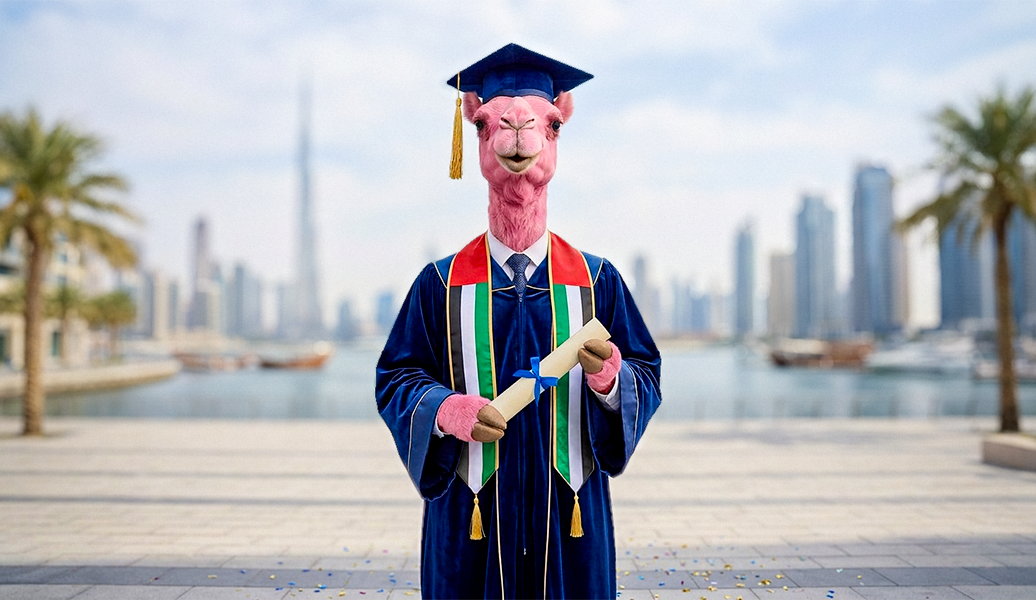
Finishing university and stepping into the UAE job market can feel overwhelming, especially without a clear starting point. The good news is that fresh graduates are hired here every day, and most employers do not expect prior work experience. What they do expect is a candidate who understands how the market works and who applies with a plan rather than guesswork. This guide walks you through what is currently happening in the UAE graduate job market, the skills that get you shortlisted, and the exact steps to take from your first application to a signed offer.
The UAE Graduate Job Market Right Now
Is it hard to get a job in Dubai as a fresh graduate? Not if you approach it correctly. The UAE economy has diversified well beyond oil, and initiatives such as Dubai's D33 Agenda and Abu Dhabi's Falcon Economy vision are driving demand for technical and analytical talent. For both UAE nationals and expatriate graduates, this has created more entry points than many first-time applicants realise, provided they target sectors where demand genuinely exists.
In-Demand Skills That Get Fresh Graduates Hired
Technical Skills UAE Employers Screen For
Recruiters consistently look for candidates with foundational skills in artificial intelligence and machine learning, particularly Python and prompt engineering, along with entry-level cloud certifications on AWS, Azure, or Google Cloud. Employers also look favourably on cybersecurity basics, data analytics tools like SQL and Power BI, digital marketing know-how, and exposure to Agile or Scrum. Arabic is not required, but even a working knowledge of it tends to stand out, particularly for roles involving client or government interactions.
Soft Skills That Seal the Offer
Your CV gets you an interview for a fresher job in the UAE. Soft skills get you the offer. Recruiters watch how you communicate across cultures, how fast you pick things up, and whether you can tie your work back to a business result.
| Career Track | Certification to Get |
|---|---|
| Technology / Cloud | AWS Cloud Practitioner, Azure Fundamentals, Google Cloud Digital Leader |
| Cybersecurity | CompTIA Security+ |
| Finance / Banking | CFA Level 1, ACCA Foundation |
| Project Management | CAPM, Scrum Fundamentals |
| Data Analytics | Google Data Analytics, Power BI |
How to Land Your First UAE Job: Step-by-Step Roadmap
- Build a UAE-standard CV: Aim for one to two pages, make sure it can be read by ATS software, and add your nationality, visa status, and language skills near the top. Wherever you can, put numbers next to your achievements instead of vague descriptions.
- Apply where UAE recruiters actually look: Most hiring for fresher jobs in Abu Dhabi and the UAE still happens through job portals. UAE nationals should also check the Nafis portal, and it is worth applying directly through company career pages, since not every graduate role is listed on job boards.
- Target structured graduate programmes: Employers such as ADNOC, Emirates Group, FAB, Emirates NBD, Etisalat, DP World, and Majid Al Futtaim run dedicated graduate schemes, many with fixed intake windows opening in the third or fourth quarter of the year.
- Network with purpose: University career fairs, GITEX, ADIPEC, and your own alumni network can open doors that job boards cannot. A short LinkedIn message that references a specific role usually gets a better response than a generic introduction ever will.
- Prepare for UAE-style interviews: Most employers use competency-based interviews with a situational judgement component. Practising the situation, task, action, result framework is worthwhile.
- Get your documents visa-ready: Attested degree certificates, a valid passport, and photographs should be prepared in advance so that an offer is not delayed by paperwork.
What Fresh Graduates Actually Earn in the UAE
Salaries vary by sector and role, though they are consistently tax-free.
| Field | Typical Range (AED/month) |
|---|---|
| Marketing / Communications | 6,000 to 10,000 |
| Business / Finance / Accounting | 7,000 to 12,000 |
| Engineering (Civil, Mechanical, Electrical) | 8,000 to 14,000 |
| Healthcare (Nursing, Allied Health) | 7,000 to 13,000 |
| Computer Science / Software | 10,000 to 18,000 |
| Banking / Structured Graduate Programmes | 15,000 to 22,500 |
Common Mistakes First-Time Applicants Make
- Applying to a large number of roles without a clear industry focus
- Ignoring keyword alignment between the CV and the job description
- Writing generic CV bullet points without measurable results
- Submitting the same cover letter for every application
- Missing fixed intake windows for structured graduate programmes
- Having a weak or inactive LinkedIn presence
One More Thing First-Timers Miss: The ATS Screen
Most large UAE employers, including banks, government-linked entities, and multinational corporations, screen applications through Applicant Tracking Systems. A strong CV can still be filtered out if it is not formatted or worded correctly for these systems, which is a particular risk for first-time applicants with no prior UAE hiring experience to draw on.
Pink Camel Jobsite's CV ATS Score Report is built for exactly this stage. Here is what it does for you before you apply:
- Identifies gaps in your CV: We go through it section by section and flag anything missing, badly worded, or formatted in a way an ATS could misread. Instead of a vague feeling that something is off, you get a specific list of what to fix.
- Smart keyword optimization suggestions: Your CV is compared against the language used in your target job description, and the service flags relevant keywords and skills that are missing or underused. Adding these in the right places increases the likelihood that an ATS ranks your CV, written in Dubai style, as a strong match.
- Instant ATS score and detailed report: Within moments, you receive a numerical score along with a breakdown of exactly why your CV scored the way it did. This means you are not guessing at your chances; you know precisely where you stand before you submit an application.
- Pass Applicant Tracking Systems (ATS): By addressing the gaps and keyword issues the report identifies, your CV is far more likely to clear the automated screening stage used by banks, government-linked entities, and multinational employers. Passing this stage is what gets your CV in front of an actual recruiter rather than being filtered out silently.
Checking your ATS score first means your CV has a genuine chance of being seen by a human recruiter, not filtered out before it reaches one. Explore our jobseeker services and visit our website to get started.
FAQs
Do I need UAE work experience to get my first job after graduation?
No. Most large UAE employers build entire programmes around people with zero full-time experience. Internships, university projects, and certifications matter more than your work history, mainly because you don't have one yet.
Is Arabic necessary to get a job in the UAE?
Not for most multinational, tech, or finance roles, where English is the main working language day-to-day. That said, it does help in government-linked, public sector, and client-facing positions.
Which industries pay UAE fresh graduates the most?
Technology, banking, energy, and healthcare tend to offer the best entry-level pay. Structured graduate programmes at the bigger employers in these sectors often pay above what you would find in the general market.
What certifications add the most value to a fresh graduate's CV in the UAE?
Cloud certifications, CompTIA Security+, CFA Level 1 or ACCA for finance, CAPM or Scrum for project management. Pick one technical and one functional certification that fit your target industry and stop there.
How long does it typically take to land a first UAE job as a graduate?
Three to six months if you're targeted and prepared. Longer, sometimes much longer, if you're sending the same CV to every platform without a plan.