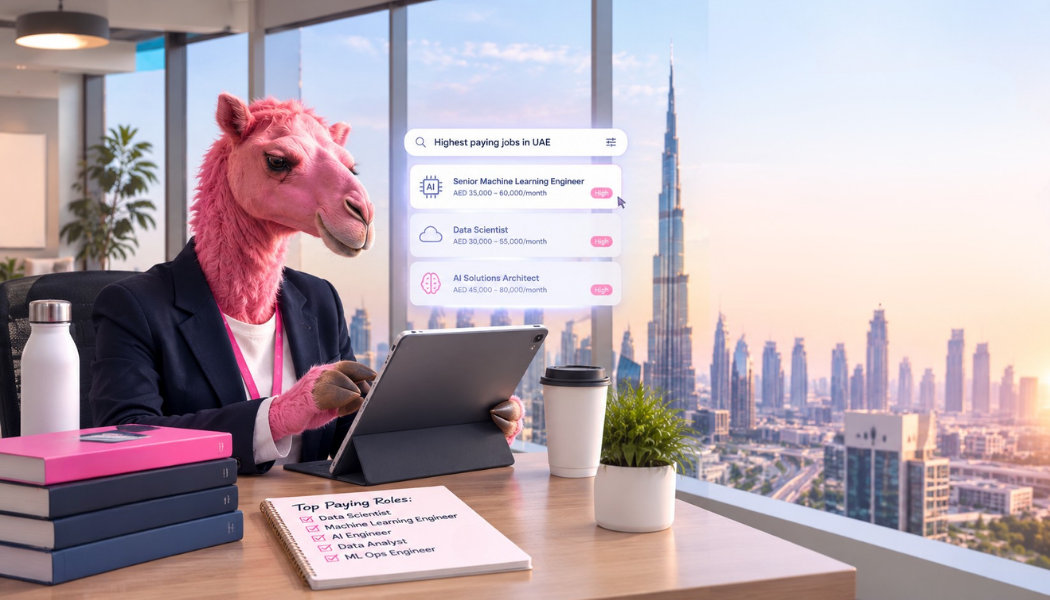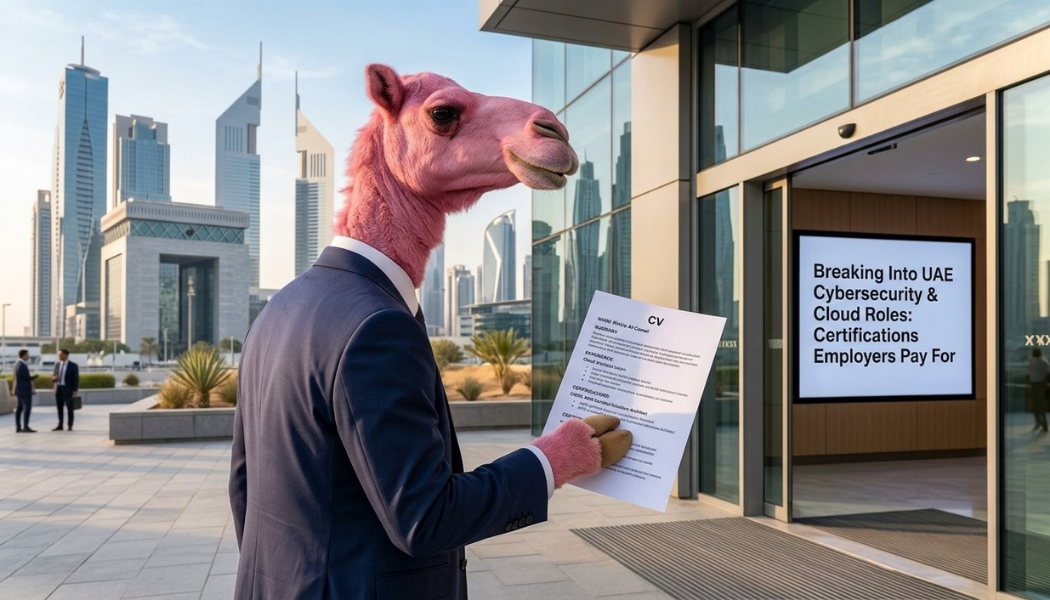
Job postings alone don't tell the full story of UAE tech hiring anymore. Artificial intelligence is changing what employers ask for, cybersecurity rules have gotten stricter, and the way candidates get evaluated looks different from what it did even two years ago.
So what's driving this? A handful of things, all moving at once: AI adoption, cybersecurity compliance, cloud migration tied to data residency law, Emiratization targets, and a slow move away from hiring based on degrees alone. Job openings still outrun the local talent pool, which is why salaries in AI, cybersecurity, and cloud keep climbing.
10 Trends Shaping Tech and Digital Careers in the UAE
AI and Machine Learning Roles
Artificial intelligence and machine learning currently dominate the hiring landscape. The World Economic Forum's Future of Jobs Report 2025 indicated that global demand for AI and ML specialists is approximately three times the available supply, a metric that aligns closely with current trends in the UAE.
Cybersecurity Hiring
Historically, cybersecurity was treated as a secondary priority for many organizations. This is no longer the case. The UAE Information Assurance Regulation and specific sector mandates now necessitate certified security personnel, which have significantly driven up compensation for SOC analysts and security architects.
Cloud Migration and Data Residency
Cloud migration follows a similar upward trajectory, primarily driven by stringent data residency laws rather than mere business preference. Engineers holding AWS, Azure, or GCP certifications, particularly those proficient across multiple platforms, consistently command higher salaries than their uncredentialed peers.
Skills-Based Screening
Traditional degree-based screening is declining in prominence. Bootcamp graduates and self-taught candidates with robust portfolios are now securing interviews alongside applicants with conventional degrees, thereby expanding the available talent pool for employers.
Remote Work and Distributed Teams
The geographic distribution of the workforce has also shifted. The UAE's GMT+4 time zone is optimally positioned between Europe and Asia, facilitating distributed team models. However, salary arbitrage continues to draw some engineers toward fully remote roles based in other regions.
Emiratization in Tech
Emiratization has evolved from a basic compliance requirement into a core strategy for technology teams. Nationalization targets are now integrated into graduate recruitment pipelines and long-term succession planning rather than solely appearing in annual reports.
Fintech and Digital Assets
The financial technology sector continues its rapid expansion. Digital asset firms regulated by the DIFC and VARA, alongside a growing Islamic fintech segment, remain among the most significant sources of technology job vacancies in the nation.
Government Digital Transformation
Ongoing digital transformation within the public sector continues to create specialized roles, ranging from frontend development for citizen-facing applications to data engineering for government platforms. Furthermore, rather than relying exclusively on external hires to address skill gaps, employers are increasingly investing in the reskilling of their existing workforce.
Soft Skills and AI Fluency
Finally, technical proficiency alone is no longer sufficient for long-term success. Superior judgment, effective communication, and adaptability, combined with AI fluency, are the definitive traits that distinguish the most successful candidates in the current market.
Most In-Demand Tech and Digital Roles in the UAE (2026)
| Role | Demand Trend | Core Skills | Salary Trend |
|---|---|---|---|
| AI/ML Engineer | Strong growth | Python, LLMs, MLOps | Rising fastest |
| Cybersecurity Specialist | High, compliance-driven | Incident response, certifications | Rising sharply |
| Cloud/DevOps Engineer | Rising | AWS, Azure, GCP, IaC | Rising steadily |
| Data Engineer | Rising | Pipelines, cloud data platforms | Moderate increase |
| Full-Stack Developer | Steady | Modern frameworks, APIs | Modest increase |
The UAE Tech Talent Gap at a Glance
| Metric | 2025 | 2026 |
|---|---|---|
| Open tech positions | ~18,000 | ~23,500 |
| Active tech jobseekers | ~12,000 | ~13,000 |
| International hire share | 78% | 83% |
Skills UAE Tech and Digital Professionals Should Build Now
| Skill Category | Examples | Why It Matters |
|---|---|---|
| Technical/AI fluency | ML fundamentals, cloud certifications | Fastest-growing demand segment |
| Digital/data literacy | Analytics tools, automation platforms | Now cross-functional, not IT-only |
| Cybersecurity awareness | Phishing and data protection basics | Compliance expectation across roles |
| Human/leadership skills | Communication, adaptability, judgment | Differentiator as automation grows |
How to Future-Proof Your Career in the UAE?
- Audit your current skills against the in-demand roles above.
- Go after cloud or AI certifications with a documented salary premium, not whatever's trending.
- Build a visible portfolio or GitHub profile if skills-based hiring applies to your field.
- Get familiar with Emiratization rules and visa pathways for your role.
- Get an outside, informed perspective on how you're positioned.
What's Next: The UAE Tech Job Market Through 2030
Expect continued investment in AI infrastructure and a growing set of AI-native roles that barely existed five years ago. The senior engineer shortage, people with eight-plus years of experience, doesn't look close to closing. Hiring criteria will likely keep blending technical depth with human skills rather than treating them as separate boxes.
Ready to Future-Proof Your Tech Career? Let's Map Your Next Move
If any of this feels like it applies to you, and honestly, most of it applies to almost everyone in UAE tech right now, it's worth putting a name to your specific situation instead of guessing. That's what the Career Consultation Call is for.
- 30-minute one-to-one consultation: We'll spend about 30 minutes going through your background, target roles, and what's standing in the way, using the trends above as a starting point.
- CV review and feedback: We look at your CV the way UAE tech employers actually read it, including whether it reflects skills-based hiring expectations. You walk away with specific changes, not vague notes.
- LinkedIn optimization: We'll also go through your LinkedIn profile: headline, summary, skills section, the parts recruiters scan for AI, cloud, or cybersecurity talent. Small edits here tend to matter more than people expect.
- Salary benchmarking support: We share current UAE salary data for your role and experience level, drawn from what employers are paying this year. That gives you a real basis for negotiation instead of a guess.
The Career Consultation Call is one part of what we offer. Visit the Pink Camel Jobsite website for current UAE tech and digital job listings, career resources, and other jobseeker services.
FAQs
What is the future of work in the UAE tech sector?
AI adoption, stricter cybersecurity compliance, cloud migration, and a gradual shift toward skills-based recruitment are pulling it in a new direction, backed by national digital transformation programs.
How is AI changing digital careers in the UAE?
New roles are showing up that barely existed a few years back, AI and machine learning engineering being the obvious ones, while AI quietly automates routine parts of older jobs. Employers now lean toward candidates who pair technical know-how with judgment.
What skills should professionals build for future tech roles in the UAE?
Start with cloud certifications and AI fundamentals; that's the baseline most employers expect now. But adaptability and clear communication usually end up separating the candidates who get hired from the ones who don't.
How does Emiratization affect tech hiring in the UAE?
It used to be treated as a once-a-year compliance exercise. Now it's built into how companies structure graduate pipelines and entry-level through mid-level tech hiring.
Should I get career guidance before switching tech roles in the UAE?
Probably, yes. Role requirements and pay benchmarks shift fast enough that it's easy to base a decision on outdated information. A short conversation can confirm whether your next move actually matches where the market stands right now.